
Holistic Medicine
Bark, Flowers, Grains, Leaves, Roots & Seeds
* Dr. Sebi Alkaline Herbs list are bolded *
Click on picture to make a purchase via amazon
Mullein Leaf, Cut and Sifted Wild-crafted
Verbascum Thapsus

Used for cough, whooping cough, tuberculosis, bronchitis, hoarseness, pneumonia, earaches, colds, chills, flu, swine flu, fever, allergies, tonsillitis, and sore throat. Other uses include asthma, diarrhea, colic, gastrointestinal bleeding, migraines, joint pain, and gout. It is also used as a sedative and as a diuretic to increase urine output. The chemicals in mullein might be able to fight influenza and herpes viruses, and some bacteria that cause respiratory infections.
Linden Leaf & Flower/ Tila
Tilia europaea

Anti-oxidant, neuroprotective, anti-convulsant, anti-inflammatory, anti-cancer, immune-boosting, relaxes nerves, relieves depression, treats insomnia, fever, migraines/ headaches
Burdock Root
Arctium lappa

Anti-viral, anti-fungal, anti-cancer, anti-inflammatory, anti-oxidant, anti-bacterial. Contains calcium, magnesium, potassium. Blood cleanser, liver tonic. Treats eczema, acne, and psoriasis. Clears skin.
Red Raspberry Leaf
Rubus idaeus

Packed with nutrients including magnesium, vitamin C, iron, potassium, and folate. This combination of nutrients in the leaves is commonly used to support the female reproductive system, strengthening the uterus and pelvic muscles and supporting healthy menstruation.
Fennel Seeds
Foeniculum Vulgare

Anti-inflammatory, anti-oxidant, anti-biotic. Contains copper, potassium, calcium, zinc, manganese, vitamin C, iron, selenium. Improves eyesight, detoxifies the body, reduce stress. Used for breast growth.
Yolélé Fonio
Digitaria exilis

High protein, like couscous. Fast and easy to cook: ready to eat in just FIVE minutes. A ½ cup dry fonio makes over 2 cups cooked (higher yield than any other grain). Fonio is a good source of fiber, iron, and protein, as well as B-vitamins, magnesium, potassium, folic acid, and zinc. Fonio contains especially high levels of antioxidants and the amino acids methionine and cysteine (which promote hair, skin, and nail growth) and are deficient in all other grains. The amino acids in fonio help maintain lean muscle mass and have the composition most similar to that of an egg: the perfect protein.
Wild Rice
Zizania

Wild rice is higher in protein than white rice and grains. Good source of fiber and low in fat. Facilitates digestion. High in antioxidants. Grain-free. Reduces inflammation. Helps with weight loss. Strengthens bones. Boosts Energy. Heart Healthy. Helps build muscle. Strengthens the immune system.
Maca Root Powder Wildcrafted
Lepidium meyenii

A nutrient-dense plant-based antioxidant Superfood that is high in Essential Amino Acids, Vegetal Protein, Fiber, Vitamin C, B Vitamins, Calcium, Iron, Potassium, Copper, Manganese, and Fatty Acids. Sugar & Cholesterol Free. Maca Super Root powder provides a nice natural energy boost without the crash or jitters found in caffeine.
Ashwagandha Root Powder
Withania somnifera

Ashwagandha can help alleviate stress, anxiety, fatigue, low energy, insomnia, and concentration difficulties. Antiviral, anti-inflammatory, anti-depressant, reduces cortisol levels, adaptogen, anxiety, cancer cells, thyroid, stress, energizer.
Elder Berries (wild-crafted)
Ambucus nigra

Anti-inflammatory, anti-cancer, anti-viral: colds, flu, allergies. Removes mucous from the respiratory system. Parasite treatment, lowers blood sugar levels, insomnia, and constipation. Helps regulate menstrual problems, fatigue, and depression, skin, low energy. Enhances dreams and decreases infertility.
Irish Sea Moss
Chondrus crispus

Can be used daily. Anti-viral, anti-oxidant, anti-inflammatory. Contains 92/102 minerals. Selenium, potassium, vitamin B, vitamin C, magnesium, calcium phosphorous, zinc. Treats thyroid, removes mucous, colds, coughs, bronchitis, tuberculosis, gastric ulcers, intestinal issues, joint and skin health, mineral supplement, uplifts mood, increases libido and hair growth.
Chlorella Powder
Chlorella

Is a nutrient-dense, blue-green algae similar to spirulina. It is one of the richest dietary sources of chlorophyll and is also a potent source of protein, vitamins B6, B12 and iron to naturally support the immune system. Is 50–60% protein. It contains all nine essential amino acids. Some chlorella varieties may also contain vitamin B12. Can be a good source of iron from 6–40% of daily need. It's also an excellent source of vitamin C, which helps you absorb iron. These tiny green cells provide a wide range of antioxidants. Provides small amounts of magnesium, zinc, copper, potassium, calcium, folic acid and other B vitamins. It contains some omega-3s. Just 3 grams of chlorella delivers 100 mg of omega-3s.
Quinoa
Chenopodium quinoa

High in fiber, magnesium, B vitamins, iron, potassium, calcium, phosphorus, and vitamin E.
Protein: 8 grams.; Fiber: 5 grams. Manganese: 58% of the recommended daily allowance (RDA). Magnesium: 30% of the RDA. Phosphorus: 28% of the RDA.Folate: 19% of the RDA. Copper: 18% of the RDA. Iron: 15% of the RDA. Zinc: 13% of the RDA. Potassium 9% of the RDA. Over 10% of the RDA for vitamins B1, B2 and B6.
Amaranth
Amaranthus

Contains fiber and protein. The oils and phytosterols in amaranth help lower cholesterol levels, including LDL and triglycerides. Anti-inflammatory. Anti-cancer. Normalizes blood sugar levels. Contains calcium, magnesium, copper, vitamins A, C, E, K, B5, B6, folate, niacin, and riboflavin. It is also a good source of zinc, potassium, and phosphorus. Good source of the essential amino protein lysine, which helps the body absorb calcium, build muscle, and produce energy.
Almonds
Prunus dulcis
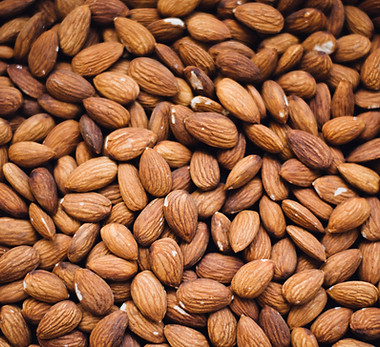
Contains healthy fats, fiber, protein, magnesium and vitamin E. Lower blood sugar levels, reduce blood pressure and lower cholesterol levels. Reduce hunger and promote weight loss.
Sage
Salvia officinalis

Can be burnt, cooked with, or used as tea. Relieves headache and sore throat pain reduces oxidative stress in the body, inflammation, and depression, improves mood, protects against free radical damage, anti-bacterial and anti-viral, supports digestion, protects against memory loss One teaspoon (0.7 grams) of ground sage contains: Vitamin K: 10% of the reference daily intake (RDI), Iron: 1.1% of the RDI, Vitamin B6: 1.1% of the RDI, Calcium: 1% of the RDI, Manganese: 1% of the RDI
Bay Leaves
Laurus nobilis

1. Bay leaves are a rich source of vitamin A, vitamin C, iron, potassium, calcium, and magnesium. Also regular inclusion of bay leaves in meals promotes general health.
2. They have been proven to be useful in the treatment of migraines.
3. Bay Leaf contains enzymes that help to breakdown proteins and digest food faster, helping to calm indigestion. Recipe for Bay Leaf Tea: 16 oz water, 3 bay leaves, and Juice 4 key limes
Damiana
Turnera diffusa

Known as a “happy herb.” Increases libido. It is Anti-anxiety, anti-inflammatory, decrease breast cancer/ fibroids, regulate menopause, balance hormones, relieves constipation/ depression/ sexual dysfunction.
Cinnamon Bark
Cinnamomum Verum

Anti-fungal, reduce blood sugar, helps prevent Alzheimer’s disease/ multiple sclerosis, anti-cancer. It 2.6 g contains carbohydrates: 2.1 g, calcium: 26.1 milligrams (mg), iron: 0.21 mg, magnesium: 1.56 mg, phosphorus: 1.66 mg, potassium: 11.2 mg, vitamin A: 0.39 micrograms. It also contains traces of vitamins B and K and the antioxidants choline, beta-carotene, alpha-carotene, beta-cryptoxanthin, lycopene, lutein, and zeaxanthin.
Sesame Seeds
Sesamum indicum

Contain bone building minerals and healthy fats. Good Source of Fiber. May Lower Cholesterol and Triglycerides. Source of Plant Protein. May Help Lower Blood Pressure. May Support Healthy Bones. May Reduce Inflammation. Good Source of B Vitamins. May Aid Blood Cell Formation.
Chamomile Flower
Matricaria chamomilla

Reduces menstrual pain, anti-diabetic, reduces blood sugar, slows/ prevents osteoporosis, anti-inflammatory/ cancer, reduces insomnia, treats cold/ flu/ eczema
Sarsaparilla Root
Smilax ornata

Contains saponins which helps reduce joint pain and skin itching. Anti-bacterial. Anti-inflammatory. Anti-ulcer. Helps treat Psoriasis, arthritis, headaches, colds, and cancer.
Garbanzo Beans
Cicer arietinum

Known as Chickpeas. 1 ounce/ 28 g contains Calories: 46, Carbs: 8 grams, Fiber: 2 grams, Protein: 3 grams, Folate: 12% of the RDI, Iron: 4% of the RDI, Phosphorus: 5% of the RDI, Copper: 5% of the RDI, Manganese: 14% of the RD. It can help control overeating, good source of fiber/ protein, support blood sugar control, benefits digestion, protects against cancer, heart disease, and diabetes.
Bladderwrack Powder
Fucus vesiculosus

Can be paired with Irish Seamoss. Rich in vitamins and minerals, such as calcium, iodine (supports thyroid helath), magnesium, potassium, sodium, zinc, and vitamins A and C. It helps balance stress. Anti-tumor/ bacteria/ candida. Supports hair growth, reduces joint pain/ arthritis/ heartburn, constipation, bronchitis. Increases energy. Boost immune system.
Cloves (its flower buds)
Syzygium aromaticum

Cloves are rich in antioxidants, vitamin C, manganese, and eugenol. Promotes brain function, bone health and liver health. Antioxidants. Anti-cancer/ bacteria. Regulates blood sugar and decreases stress. Reduces stomach ulcers.
Garbanzo Bean Flour
Cicer arietinum
Also known as Chickpeas. 1 ounce/ 28 g contains Calories: 46, Carbs: 8 grams, Fiber: 2 grams, Protein: 3 grams, Folate: 12% of the RDI, Iron: 4% of the RDI, Phosphorus: 5% of the RDI, Copper: 5% of the RDI, Manganese: 14% of the RD. It can help control overeating, good source of fiber/ protein, support blood sugar control, benefits digestion, protects against cancer, heart disease, and diabetes.
Vegetarian Capsules

Often Tasteless. Easier to Swallow. No Need for Fillers. Quick Absorption Rate Quicker absorption rate. Kosher & Vegetarian friendly. Higher Tolerance to Heat & Humidity.
Dandelion Root
Taraxacum

It’s a rich source of many vitamins, minerals and fiber. Anti-inflammatory. Anti-oxidant. Treats/ Prevents cancer, liver disease, acne, digestive disorders, and Alzheimer’s disease. Controls blood sugar. May reduce cholesterol, blood pressure, weight. Supports digestion, relieves constipation. Immune boost. Dosages: Fresh leaves: 4–10 grams, daily. Dried leaves: 4–10 grams, daily. Leaf tincture: 0.4–1 teaspoon (2–5 ml), three times a day. Fresh leaf juice: 1 teaspoon (5 ml), twice daily. Fluid extract: 1–2 teaspoon (5–10 ml), daily. Fresh roots: 2–8 grams, daily. Dried powder: 250–1,000 mg, four times a day.
Milk Thistle Powder
Silybum marianum

Antioxidant. Supports liver health. Balances blood sugar. Calms an upset stomach. Help fight acne due to properties of silymarin, take 140 milligrams or .14g. Helps manage cholesterol. Supports immune health.
Blue Vervain
Verbena hastata

Anti-inflammatory. Anti-malerial. Anti-microbial. Treats menstrual Cramps, increases milk production. Improves mood. Decreases stress, anxiety, restlessness. Supports immune system.
Neem Leaf
Azadirachta indica

Used for leprosy, eye disorders, bloody nose, intestinal worms, stomach upset, loss of appetite, skin ulcers, diseases of the heart and blood vessels (cardiovascular disease), fever, diabetes, gum disease (gingivitis), and liver problems. The leaf is also used for birth control and to cause abortions.
Tumeric Root
Terra Merita

Has the potential to improve heart health and prevent Alzheimer's and cancer. It's a potent anti-inflammatory and antioxidant. It may also help improve symptoms of depression and arthritis.
Yellow Dock Root
Rumex crispus

Used for pain and swelling (inflammation) of nasal passages and the respiratory tract, and as a laxative and tonic. It is also used to treat bacterial infections and sexually transmitted diseases. Sometimes used to treat intestinal infections, fungal infections, and for arthritis.
Chaparral
Larrea tridentata

Primarily used for the treatment of cancer, acne, rheumatism, and diabetes. It has also been promoted for its antioxidant effects, and as a blood purifier and a weight loss agent. Use for bowel cramps, arthritis, chronic skin disorders, colds and gas.
Valerian Root
Valeriana officinalis

An herb that may help improve sleep, promote relaxation and reduce anxiety. It appears to be safe and non-habit forming when taken at the recommended dosage. In some cases, it may be able to replace benzodiazepines and similar drugs.
Hydrangea Root
Hydrangeaceae

Used for urinary tract problems such as infections of the bladder, urethra and prostate; enlarged prostate; and kidney stones. It is also used for hay fever.
HOPS
Humulus Lupulus

Used for anxiety, inability to sleep (insomnia) and other sleep disorders, restlessness, tension, excitability, attention deficit-hyperactivity disorder (ADHD), nervousness, and irritability.
Wormwood
Artemisia absinthium

used for various digestion problems such as loss of appetite, upset stomach, gall bladder disease, and intestinal spasms. Wormwood is also used to treat fever, liver disease, depression, muscle pain, memory loss and worm infections; to increase sexual desire; as a tonic; and to stimulate sweating.
Beluga Lentils
Lens culinaris

Packed with folate, iron, phosphorus, potassium and fiber.
Hemp Hearts
Cannabis sativa ssp. sativa

Rich in omega-3 and omega-6 fatty acids. Both of these fats are known for improving heart health by reducing cholesterol, blood pressure, and triglycerides.
Chicory Root
Cichorium intybus

Boost energy, due to the 65mg of potassium in each cup; enhance digestion and elimination;
help stabilize blood sugar and appetite; and support beneficial microflora responsible for strengthening the immune system, fighting harmful bacteria and fungus like Candida, creating B vitamins, and absorbing essential minerals (such as calcium).
Reishi Mushroom Powder
Ganoderma lingzhi

Helps enhance the immune system, reduce stress, improve sleep, and lessen fatigue.
Black Seed
Nigella sativa

Used for treating digestive tract conditions including gas, colic, diarrhea, dysentery, constipation, and hemorrhoids. It is also used for respiratory conditions including asthma, allergies, cough, bronchitis, emphysema, flu, swine flu, and congestion.
Jasmine Green Tea
Jasminum Camellia sinensis

Bursting with antioxidants. May aid weight loss. Can protect the heart. Promotes good oral health.
Could boost brain function. May protect against Alzheimer's and Parkinson's disease. May lower risk of type 2 diabetes. May reduce risk of certain cancers.
Ginger Root
Zingiber officinale rhizome

Halts growth of bacteria like E.coli and shigella, and they may also keep viruses like RSV at bay. Antibacterial. Helps with nausea. Soothes sore muscles. Anti-inflammatory. Eases arthritis symptoms. Some studies show that bioactive molecules in ginger may slow down the growth of some cancers like colorectal, gastric, ovarian, liver, skin, breast, and prostate cancer. Lowers blood sugar. Eases period pains. 5g a day lowers bad LDL cholesterol. Loaded with antioxidants, compounds that prevent stress and damage to body’s DNA. Relieves indigestion.
Cascara Sagrada
Cascara Sagrada

Is a stimulant laxative. It works by causing muscle contractions in the intestines. These muscle contractions help move stool through the bowels. The bark contains chemicals called anthraquinones that give it its color and its laxative effect.
Rheum rhabarbarum
_JPG.jpg)
Rich in antioxidants, particularly anthocyanins (which give it its red color) and proanthocyanidins. These antioxidants have anti-bacterial, anti-inflammatory, and anti-cancer properties, which help protect you from many health-related issues such as heart disease, cancer, and diabetes
Artemisia vulgaris
_JPG.jpg)
A “tonic” and to boost energy. People take the rest of the plant for stomach and intestinal conditions including colic, diarrhea, constipation, cramps, weak digestion, worm infestations, and persistent vomiting.
Pau D’Arco
Handroanthus impetiginosus

Herbal supplement claimed to be anti-cancer and antimicrobial, especially anti-candida. Other uses for pau d'acrco include diabetes, ulcers, stomach inflammation (gastritis), liver ailments, asthma, bronchitis, joint pain, hernias, boils and wounds.
Cat’s Claw
Uncaria tomentosa
_JPG.jpg)
Promoted as a dietary supplement for a variety of health conditions, including viral infections (such as herpes, human papilloma virus, and HIV), Alzheimer's disease, cancer, arthritis, diverticulitis, peptic ulcers, colitis, gastritis, hemorrhoids, parasites, and leaky bowel syndrome.